Plovdiv – A City Through the Ages
January 2019
Plovdiv is one of those places that is very easy to underestimate.
At first glance, it feels like a pleasant city with a beautiful Old Town and a relaxed atmosphere. But once you start walking through it, you quickly realise that there is something much deeper beneath the surface.
Quite literally.
Because Plovdiv is not just old – it is built on top of itself. Layer after layer, century after century, different civilizations have left their mark here. And today, you can still see all of them if you know where to look.
Before the Romans
The story of Plovdiv begins long before the Romans arrived.
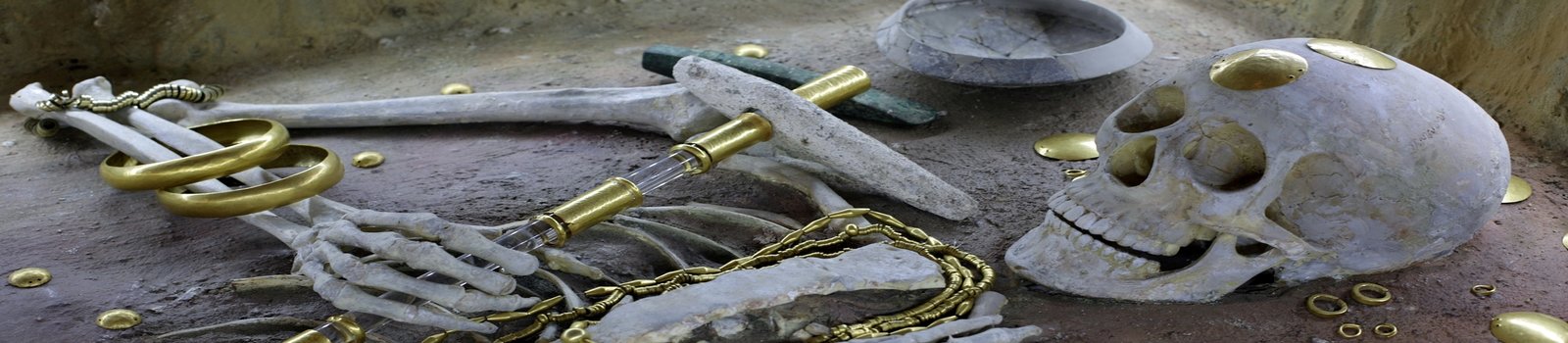
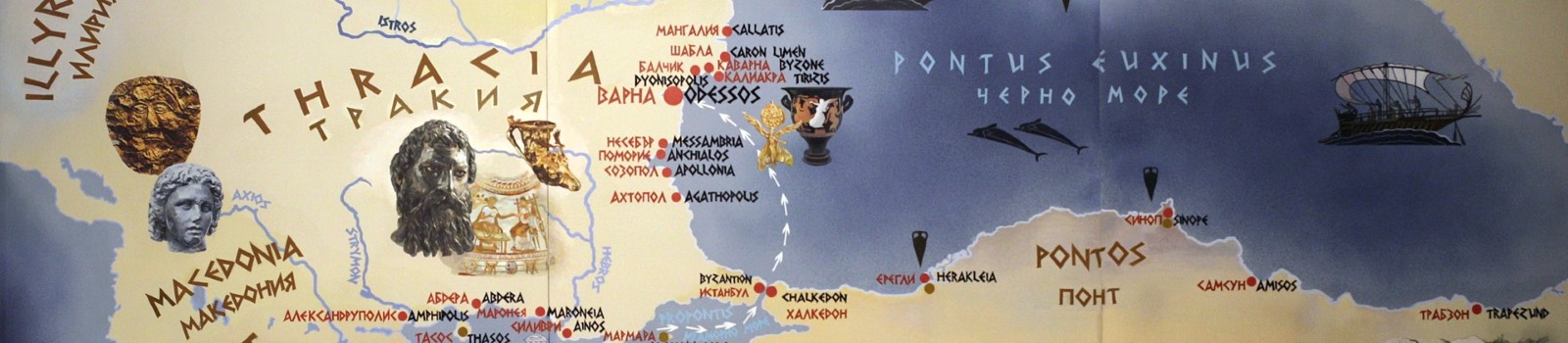
The first settlements here date back to the Thracians, who chose these hills for a reason. The natural elevation made the area easy to defend and strategically important. Even now, when you stand on one of the hills, you can understand why this place was so valuable.
Much of that early history is still hidden beneath the modern city, but it is there – forming the foundation of everything that came later.
Philippopolis
In the 4th century BC, the city was conquered by Philip II of Macedon, the father of Alexander the Great. He gave it the name Philippopolis, and from that moment on, the city became part of the wider Hellenistic world.
It started to grow, to develop, and to connect different cultures passing through the region.
The Roman City
The real turning point in the history of Plovdiv comes with the Romans.
They didn’t just take control of the city – they transformed it into a major centre known as Trimontium, the “City of the Three Hills”. At that time, this was an important place in the Roman Empire, full of life, trade and culture.
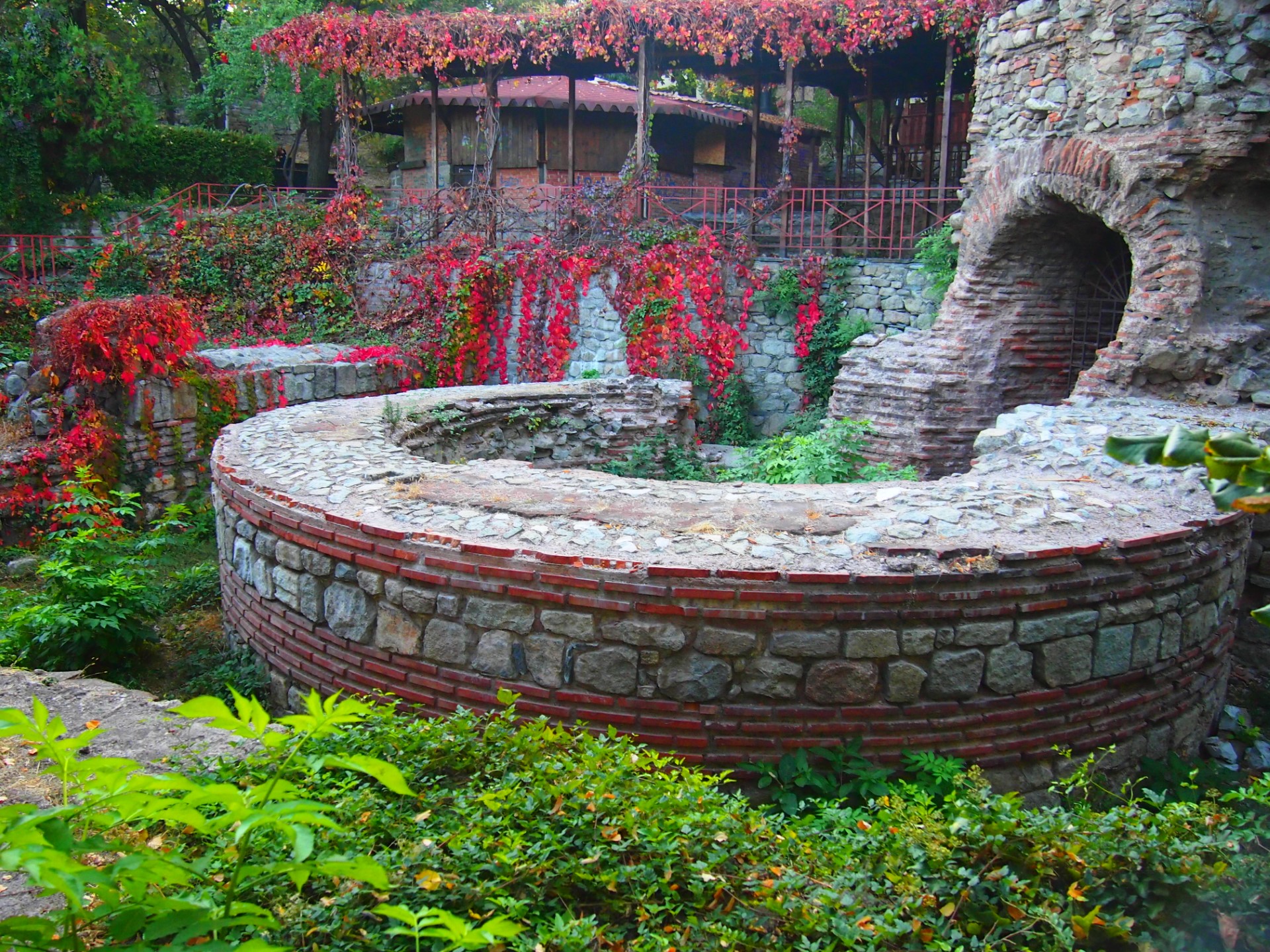
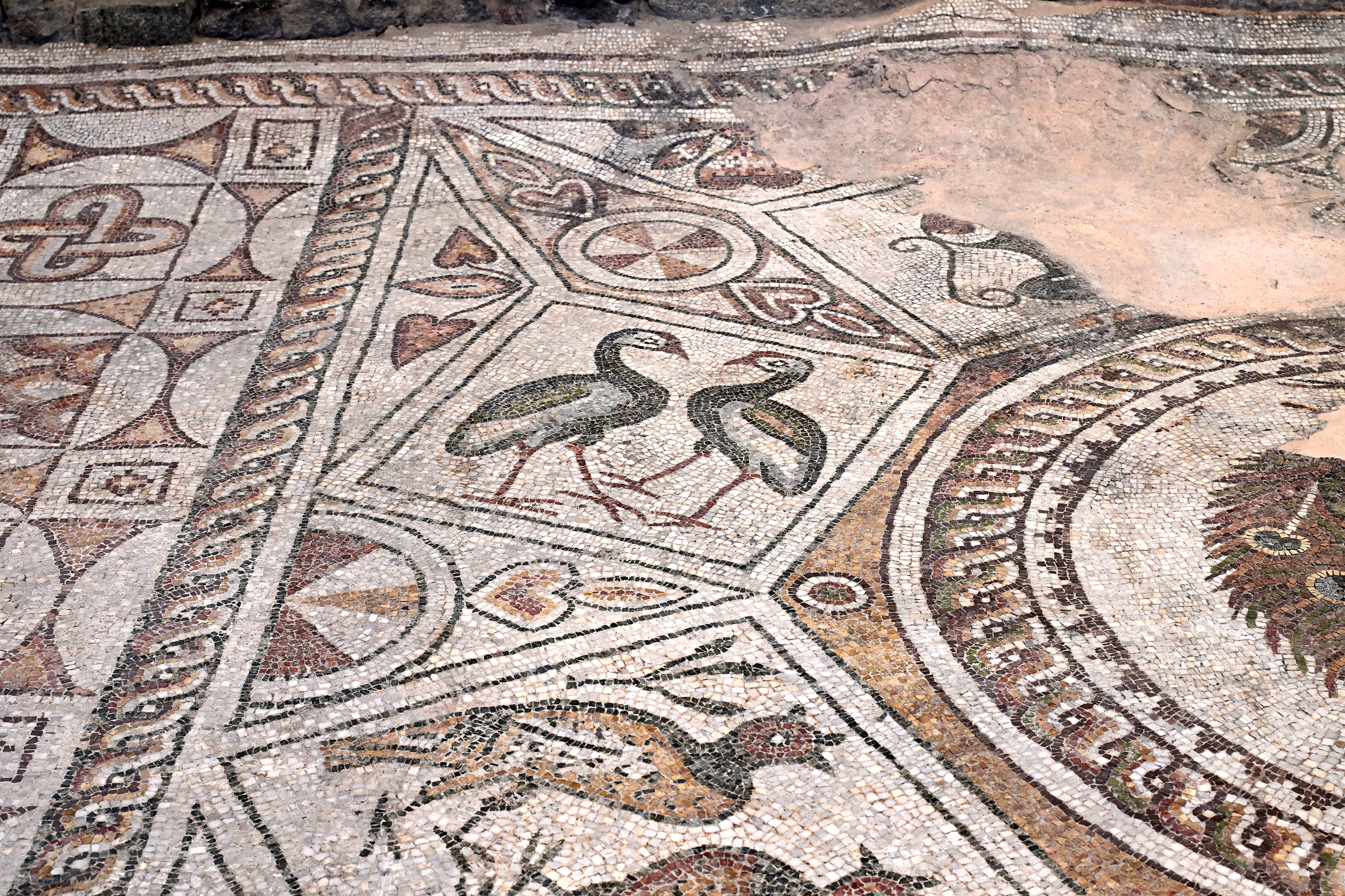
What makes Plovdiv special today is that this Roman city is still visible.
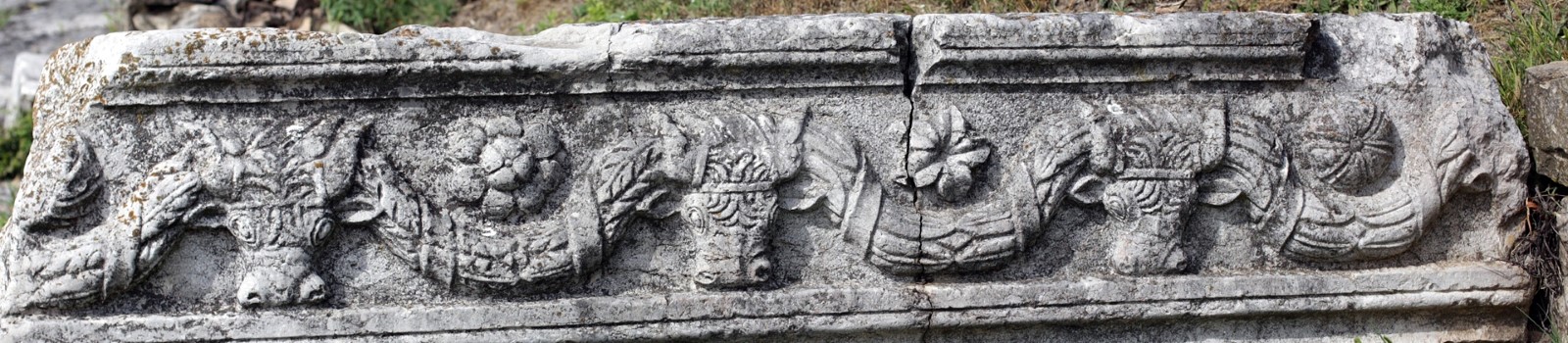
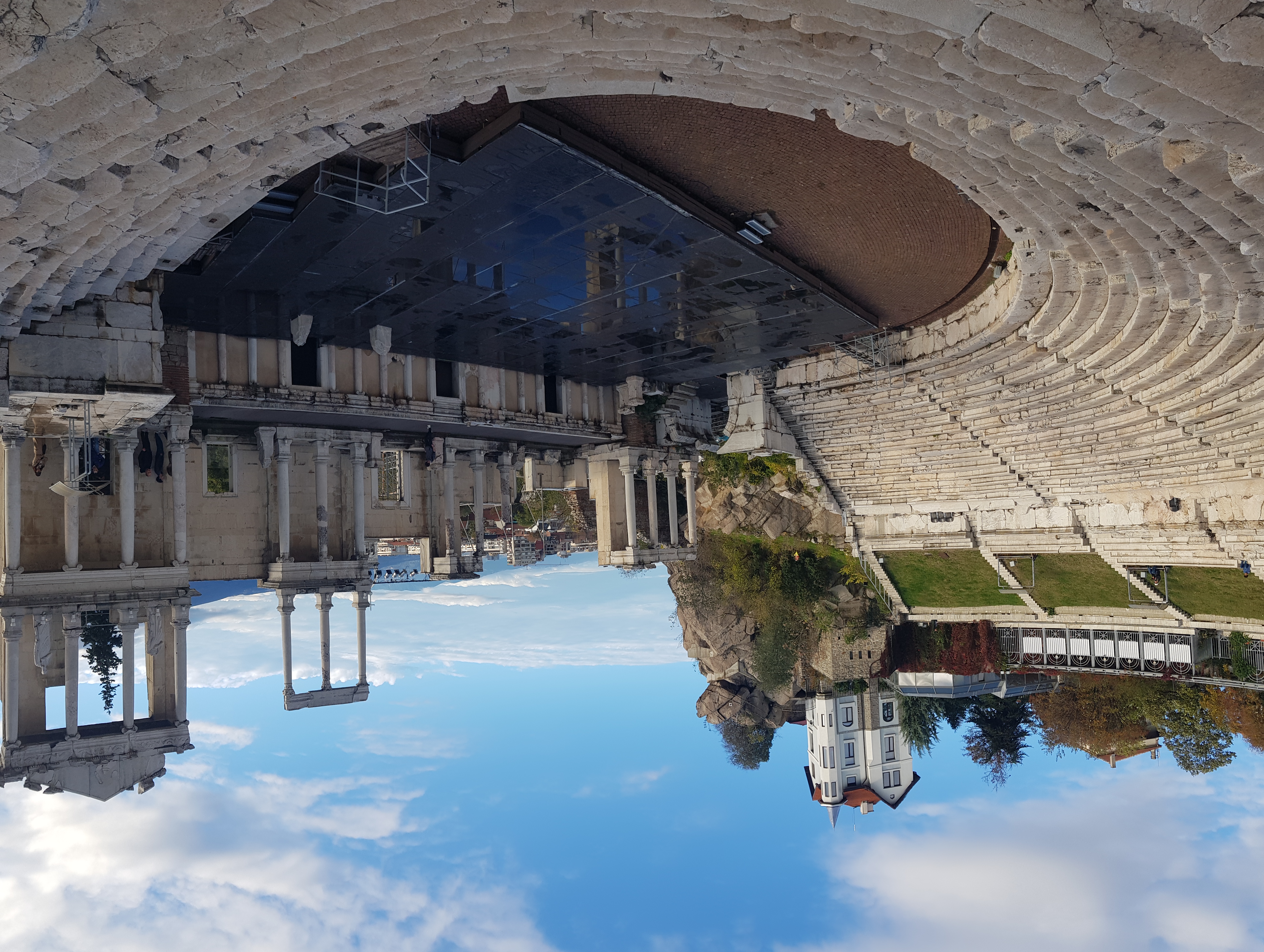
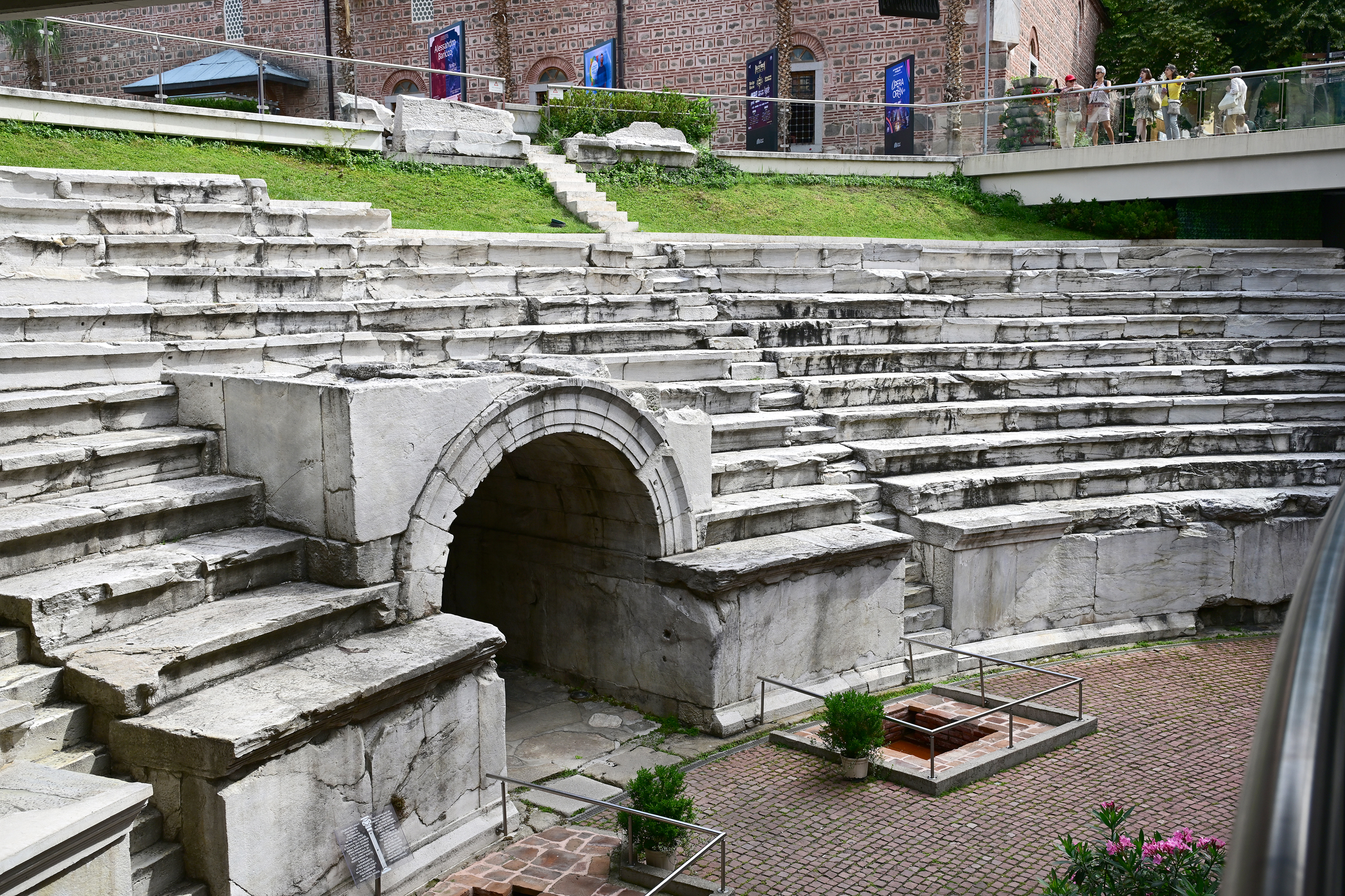
The Ancient Theatre is one of the best-preserved Roman theatres in the world and is still used for performances. It is not a reconstruction – it is the original structure, standing there for nearly 2,000 years.
The Roman Stadium is even more curious. Most of it is still hidden beneath the main pedestrian street, which means that as you walk through modern Plovdiv, you are literally walking above the ancient city.
A City That Never Disappeared
After the Roman period, Plovdiv continued to exist and evolve.
It passed through Byzantine and medieval Bulgarian rule, and later became part of the Ottoman Empire. Each period added something new, but none of them erased what was already there.
That is one of the reasons why Plovdiv feels different. It is not a city rebuilt from scratch – it is a city that has been continuously lived in, adapted and reshaped.
The Old Town
If you want to feel the spirit of Plovdiv, the Old Town is the place.
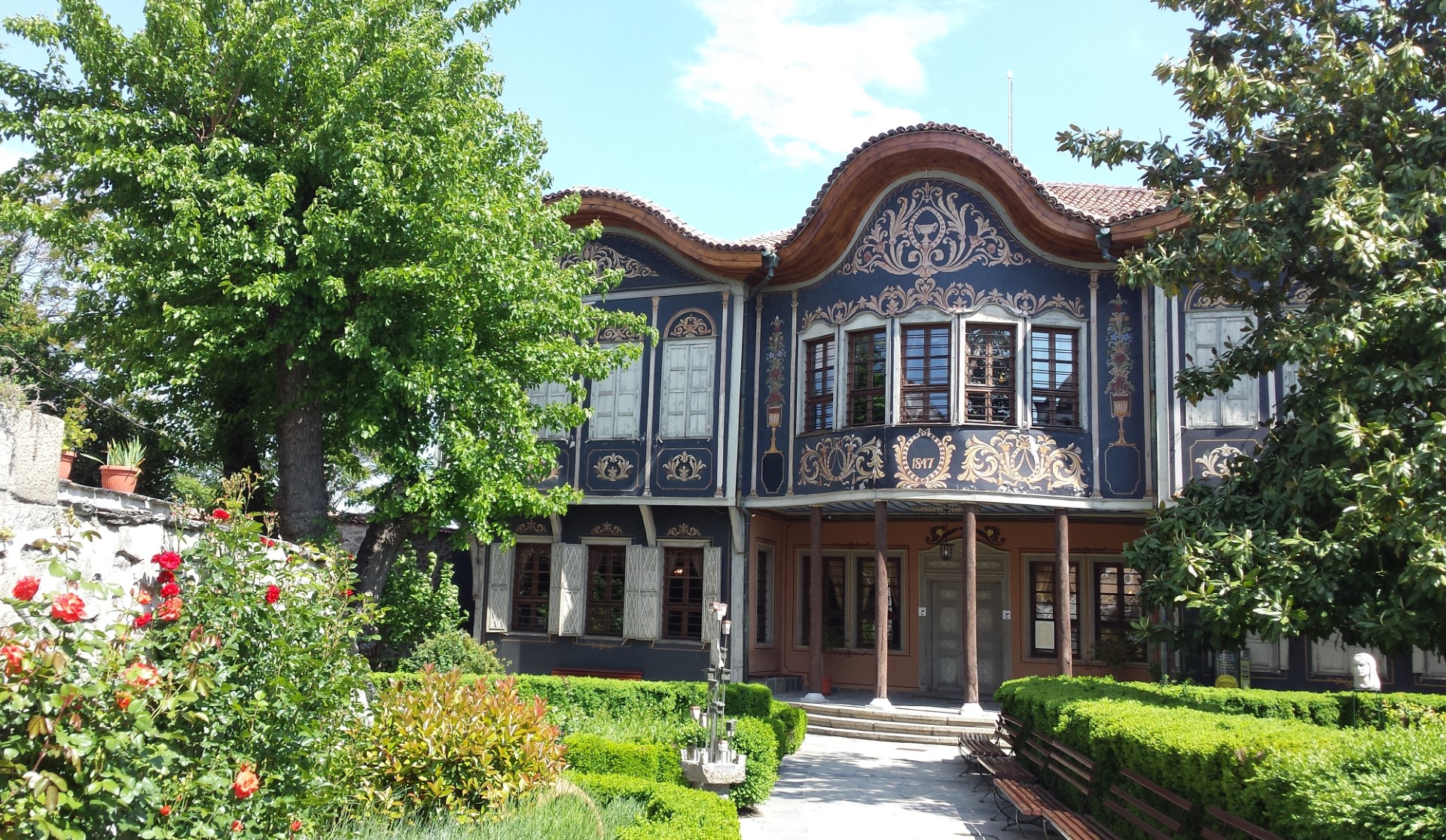
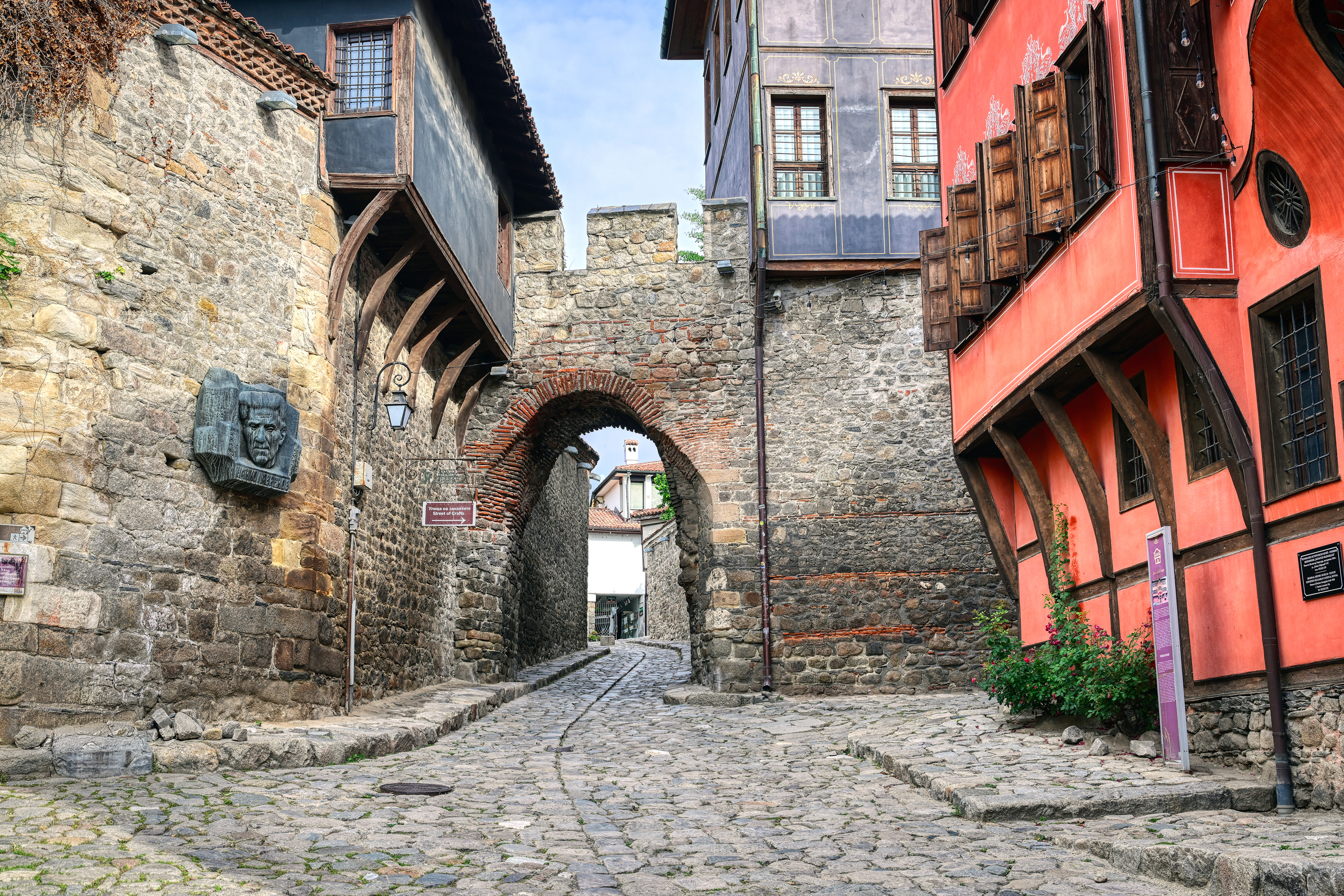
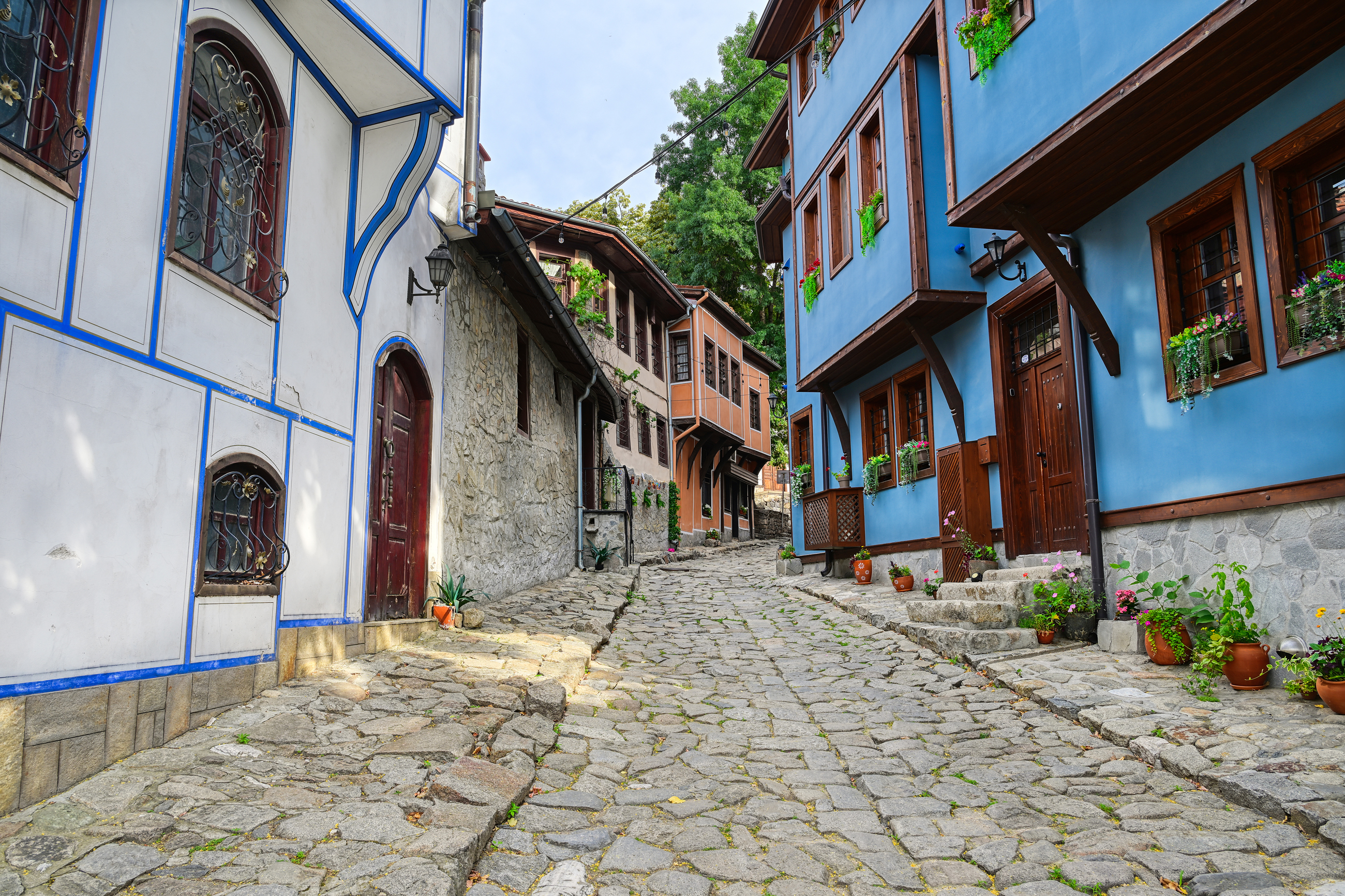
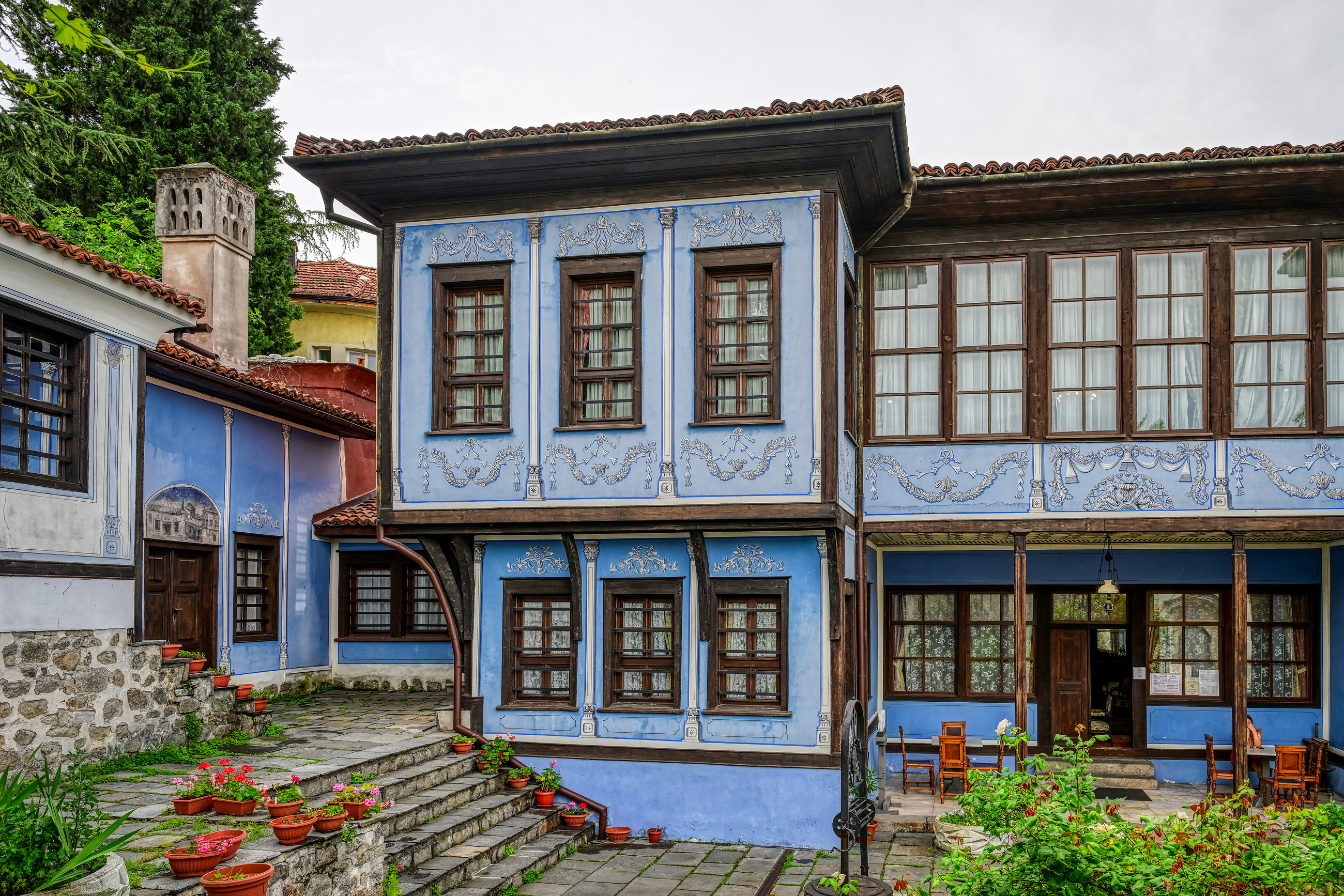
The houses here date back to the Bulgarian Revival period and belong to wealthy merchants who once lived in the city. They are not just beautiful – they show a time when Plovdiv was a major cultural and economic centre.
Walking through the narrow streets, it is easy to forget which century you are in.
Plovdiv Today
Modern Plovdiv is lively, creative and full of character.
It is a place where history is not separated from everyday life. Roman ruins stand next to cafés, galleries are hidden inside old houses, and small streets lead you to unexpected places.
It is not a city that you simply “see”. It is a city you slowly discover.
Visiting Plovdiv
Plovdiv is not difficult to visit.
But it is very easy to miss what makes it special.
Without context, you see ruins, old buildings and streets. With the right explanation, however, everything starts to connect – and the city turns into a story that stretches over thousands of years.
That is usually the difference between just visiting Plovdiv and actually understanding it.
Private Tours Including Plovdiv
Plovdiv can be visited as part of several of my private tours in Bulgaria.
It is included in the
Exclusive Bulgaria Tour, which covers the country’s most important historical and cultural sites, as well as in the
Roman Bulgaria Tour, where the focus is on the Roman heritage of places like Plovdiv.
The city is also part of the
Hidden Treasures of Southern Bulgaria Tour, combining it with lesser-known but fascinating sites in the region, and it can be included in the more compact
Bulgaria in Short Tour, designed for travellers with limited time.





 bulgariaprivateguide@gmail.com